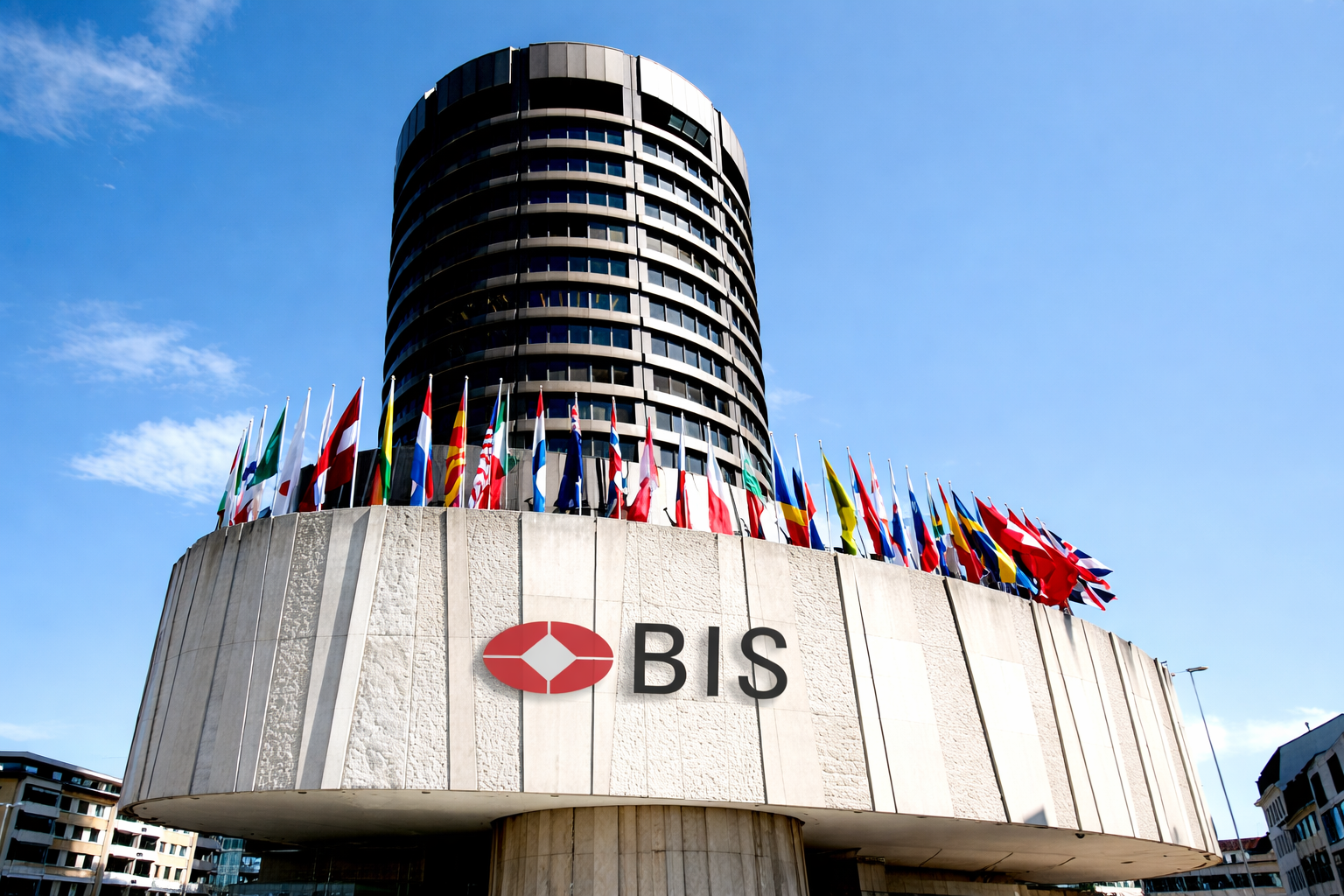
Pablo Hernández de Cos, general manager of the Bank for International Settlements (BIS), issued a warning on Monday that tokens denominated in US dollars could have “material consequences” for financial policy and stability if they were to grow big enough to compete with traditional money. In response, he urged tighter global coordination on stablecoins.
He made the comment during a conference hosted by the Bank of Japan in Tokyo, stating that present stablecoin arrangements, despite their speedier cross-border transfers and integration with smart contracts, do not meet the requirements for a widely utilized payment method.
Call for Regulation
According to De Cos, the biggest US dollar stablecoins like USDT and USDC are more like investment products than cash-like money. He cites things like taxes and constraints on redemptions in the primary market as well as instances when their values vary from par in the secondary markets as evidence of this.
Because issuers retain short-term government debt and bank deposits as reserve assets, these qualities make the tokens behave more like exchange-traded funds (ETFs), in his opinion, but they still create run and contagion risks. He cautioned that during a stress scenario, banks might feel financing pressure or that stablecoin reserves could be sold into already-strained markets due to fast withdrawals.
This warning is issued at a time when governments across the world are debating the best way to control stablecoins and other forms of tokenized currency. In addition, he mentioned that a large portion of transactions occurs outside of traditional AML/CTF controls due to the use of public, permissionless blockchains and unhosted wallets. This makes stablecoins appealing to criminals unless specific safeguards are put in place at entry and exit points.
The speech is timed to coincide with European regulators’ efforts to tighten regulation of tokenized money-like products, specifically non-euro stablecoins.