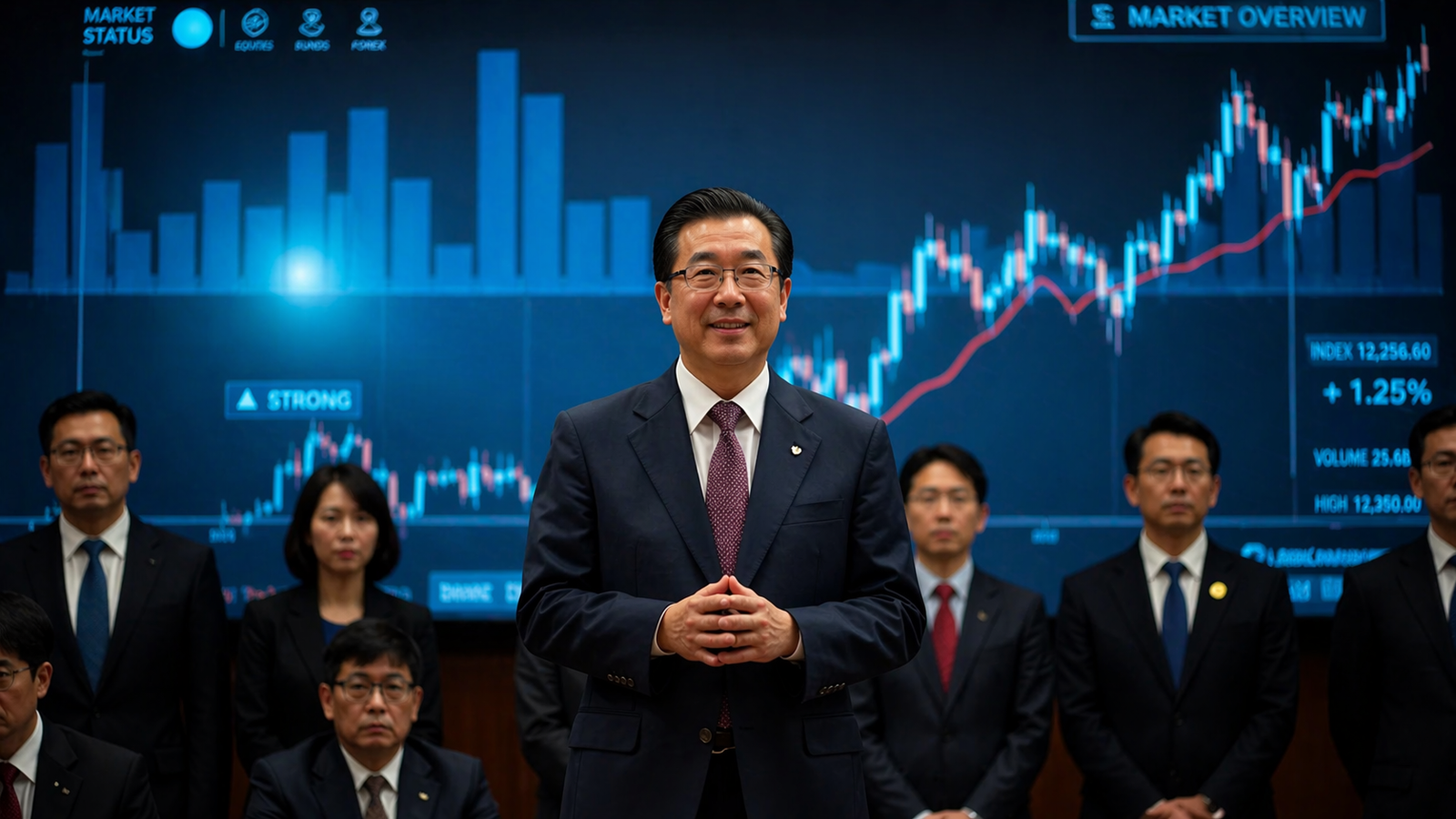
Central bank digital currencies (CBDCs) and tokenized deposits were endorsed by the newly appointed governor of the Bank of Korea, Hyun-Song Shin, in his first public speech.
The second phase of “Project Hangang,” a pilot project managed by the Bank of Korea to test a blockchain-based wholesale CBDC system, will be advanced by the central bank, according to Shin, who started his four-year tenure on Tuesday following an inauguration ceremony in Seoul.
In addition, he mentioned global initiatives for collaboration, such as the Agora Project, which seven central banks and the Bank for International Settlements (BIS) started in April 2024 to investigate the possibility of tokenizing cross-border payments. Shin said that the Korean won’s standing in the digital payment ecosystem would be enhanced by these activities.
No Mention of Stablecoins
Despite rumors to the contrary, Shin made no reference to won-based stablecoins in his inauguration address. The stablecoin bill in South Korea is still in the legislative and regulatory limbo since legislators and regulators can’t agree on who should be permitted to issue won-pegged tokens: only commercial banks or non-bank businesses like fintech and tech companies.
As an example of the growing uncertainty caused by geopolitical shocks, inflationary pressures, and changes in the world economy, Shin brought up the topic of increasing tensions in the Middle East and how they impact oil prices. Shin went on to emphasize that the Bank of Korea must adjust to this new normal.
As to the BIS website, Shin held the positions of economic advisor and head of the Monetary and Economic Department beginning in January 2025. His tenure at the BIS lasted from May 2014 to March 2026. He published an academic paper last month in which he claimed that stablecoins don’t satisfy a fundamental attribute of money—”unity”—because blockchain networks are fundamentally divided across chains with varied degrees of decentralization, fees, and security.